What Maintenance Is Included in Commercial Roller Door Maintenance?
What Are the Key Components Inspected During Commercial Roller Door Maintenance?
A detailed door inspection is fundamental to effective commercial roller door maintenance. Technicians examine all crucial components to identify signs of wear and tear that could compromise functionality or safety. Key parts inspected include:
- Door panels: Checked for dents, corrosion, or damage that could affect structural integrity.
- Door rollers and roller bearings: Assessed to ensure smooth movement without excessive wear.
- Door tracks: Inspected for cleanliness, proper alignment, and clearance to prevent binding.
- Door hinges and fasteners: Ensured to be secure and free from rust or loosening.
- Door frame and stops: Checked for any deformation, corrosion, or looseness that affects stability.
Regular inspection of these components helps detect early issues before they escalate into major repairs, maintaining the door’s operational reliability and safety compliance.
How Is Lubrication Used in Commercial Roller Door Maintenance?
Lubrication plays a critical role in reducing friction among moving parts, protecting metal surfaces from corrosion, and ensuring quiet, efficient door operation. Effective lubrication practices during maintenance include:
- Applying high-quality lubricant to door rollers, roller bearings, and door hinges to support smooth movement.
- Lubricating tension springs and the counterbalance system to maintain appropriate tension and ease of operation.
- Ensuring the drive system and motor-related components are adequately lubricated, where applicable, to reduce wear and noise.
Proper lubrication not only extends component lifespan but also contributes to noise reduction and consistent door speed during opening and closing cycles.
Why Is Door Alignment and Balance Important in the Maintenance of Commercial Roller Doors?
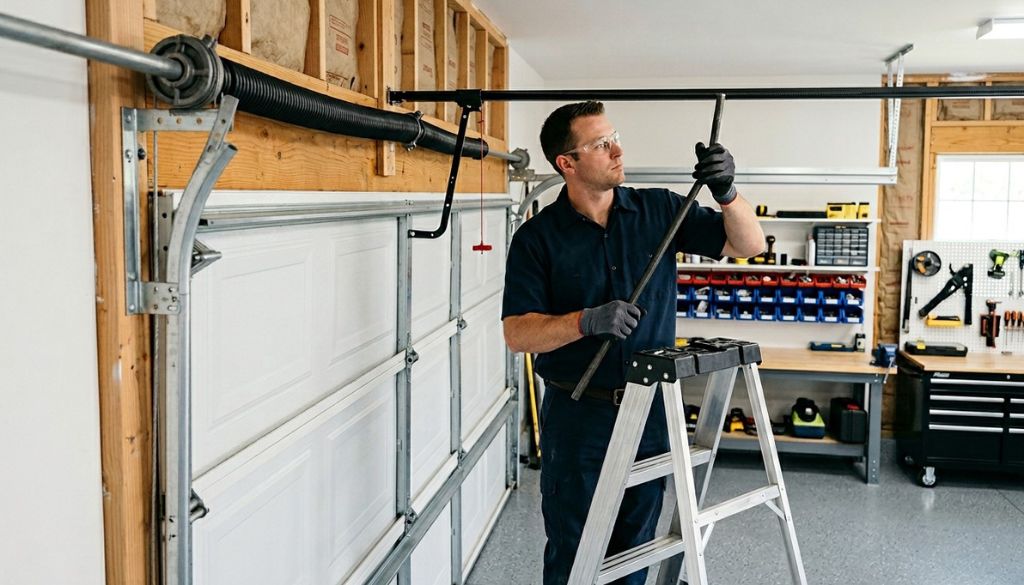
Maintaining correct door alignment and balance is vital for reducing mechanical strain and preventing premature failure. Improperly aligned or unbalanced doors can cause uneven wear and pose safety risks. Maintenance tasks focus on:
- Checking and adjusting the spring tension for optimal counterbalance system performance.
- Assessing the alignment of door panels and door tracks to ensure no binding or jamming occurs during operation.
- Adjusting cables to maintain even door height and sufficient clearance within the tracks.
- Balancing the door to enable smooth manual operation if power fails and to optimise the function of automatic openers.
Proper alignment and balance enhance door durability, reduce repair frequency, and uphold user safety by preventing unexpected malfunctions.
What Cleaning and Corrosion Prevention Steps Are Included in Roller Door Maintenance?
Cleaning and corrosion prevention protect commercial roller doors from environmental damage, which is especially important in harsh or coastal locations. Maintenance procedures typically include:
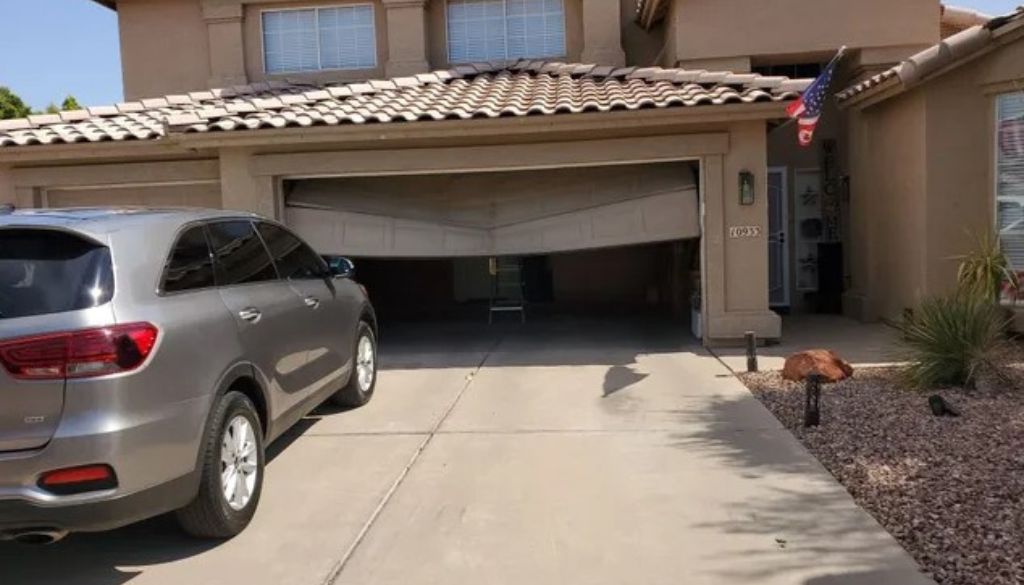
- Thoroughly cleaning door tracks, rollers, and door panels to remove dirt, debris, and grime that impede movement.
- Inspecting and replacing weather stripping and door seals to prevent water ingress and maintain insulation.
- Treating exposed metal parts such as door frames, fasteners, and hinges with rust inhibitors or protective coatings.
- Regularly checking for early signs of rust or corrosion and addressing them promptly to preserve structural integrity.
These steps help maintain both the visual appeal and reliable functionality of the door over time.
How Are Safety Features Checked During Commercial Roller Door Maintenance?
Safety is paramount in commercial settings, making the regular inspection of safety mechanisms an essential part of maintenance. Key safety checks include:
- Testing safety sensors to confirm they correctly detect obstacles and stop the door from closing on people or objects.
- Inspecting the emergency release system to ensure quick and easy manual door operation during power outages or faults.
- Verifying the functionality of door locks and other security features to prevent unauthorized access.
- Checking the manual override controls to guarantee access and control when automation fails.
- Conducting comprehensive safety checks consistent with industry standards and regulations to minimise accident risk.
Maintaining these safety features protects users and assets while ensuring regulatory compliance.
What Role Does Electrical and Motor Check Play in Commercial Roller Door Maintenance?
For automated commercial roller doors, electrical and motor inspections are crucial to prevent unexpected failures and downtime. Maintenance includes:
- Examining the motor for abnormal noises, overheating, or irregular operation that might indicate wear or impending failure.
- Inspecting electrical wiring and connections for signs of wear, corrosion, or damage that could cause malfunctions.
- Testing the functionality of remote controls and door control panels to ensure responsive door operation.
- Calibrating the automatic opener, adjusting door speed settings, and verifying the drive system condition.
- Replacing worn electrical components proactively to maintain reliable door automation.
Regular motor and electrical checks maximise operational reliability and reduce costly emergency repairs.
How Often Should Commercial Roller Door Maintenance Be Performed?
The ideal servicing schedule depends on door usage frequency and environmental factors, but common recommendations include:
- Performing full servicing at least twice yearly, including door inspection, lubrication, and safety feature tests.
- Increasing maintenance frequency for doors subject to heavy use or exposure to corrosive or dusty environments.
- Implementing preventative maintenance by replacing worn parts before failure to avoid downtime.
- Scheduling periodic load testing and safety audits as per manufacturer and regulatory guidelines.
Adhering to a consistent maintenance schedule prolongs door life, improves safety, and reduces overall costs.
What Additional Maintenance Considerations Improve Commercial Roller Door Performance?
Beyond standard servicing, several additional practices enhance performance and longevity, such as:
- Promptly diagnosing and repairing unusual noise or vibration to prevent further damage.
- Providing user training to encourage correct door operation and avoid accidental damage.
- Monitoring door speed and responsiveness to ensure smooth, safe opening and closing cycles.
- Quickly replacing replacement parts like worn rollers, cables, and seals to maintain system integrity.
These proactive measures help maintain reliable, quiet, and efficient door operation day-to-day.
Our Sponsor
A1 Garage Doors Gold Coast
A1 Garage Doors Gold Coast is a Bundall-based garage door specialist serving the southern Gold Coast and surrounding suburbs with installation, repair, maintenance, and emergency garage door services. The company specializes in sectional doors, roller doors, garage door openers, spring and cable replacement, opener motor repair, smart-enabled installations, and 24/7 emergency call-outs across Robina, Burleigh Heads, Surfers Paradise, Nerang, Coomera, and the wider Gold Coast region.
Address:
1 Waterford Court,
Bundall,
QLD
4217,
Australia
Phone: (07) 5515 0277
Business Hours:
- Open 24/7 — Including After-Hours and Emergency Call-Outs
Follow Us:
Expert Insights: Best Practices for Commercial Roller Door Maintenance
Experienced technicians advise prioritising regular inspections and lubrication to catch wear early. They emphasise the importance of professional servicing for complex tasks like spring tension adjustment and electrical diagnostics. A balanced approach combining scheduled preventative maintenance with responsive repairs minimises downtime and maximises safety.
Case Study: How Regular Maintenance Prevented Costly Repairs for a Commercial Warehouse
A commercial warehouse implemented biannual servicing to inspect and lubricate its roller doors. Early detection of minor misalignments and cable wear allowed timely adjustments, avoiding expensive component replacements and unexpected downtime. The maintenance program enhanced door reliability and reduced emergency repair costs significantly over three years.
Frequently Asked Questions About Commercial Roller Door Maintenance
What happens if I neglect commercial roller door maintenance?
Neglecting maintenance often leads to malfunctioning doors, increased repair expenses, safety hazards, and a drastically reduced lifespan for the door system. Issues such as broken springs, stuck rollers, and faulty safety sensors increase risk and operational downtime.
Can I perform commercial roller door maintenance myself?
Basic maintenance like cleaning door tracks and performing visual inspections can be conducted by property managers or maintenance personnel. However, technical tasks such as adjusting spring tension, calibrating motors, and handling electrical components should only be performed by qualified professionals due to safety and complexity.
How much does commercial roller door maintenance typically cost?
Maintenance costs vary based on door size, complexity, and service frequency. Generally, budgeting for biannual servicing helps prevent expensive emergency repairs and extends door life, providing excellent value over time.
Are there safety regulations governing commercial roller door maintenance?
Yes, commercial roller door maintenance must comply with local workplace safety standards and manufacturer guidelines to ensure the door operates safely and reliably. Compliance includes regular safety checks and maintaining functional emergency release mechanisms and sensors.
How do I know when parts need replacement during maintenance?
Signs indicating the need for replacement parts include excessive wear on rollers, damaged or corroded cables, cracked gold coast garage door repairs goldcoastgaragedoorrepair.com.au or bent panels, degraded seals, and irregular or noisy door operation. Professional technicians identify these during inspections and recommend timely replacements.
In conclusion, comprehensive commercial roller door maintenance encompasses thorough inspections, targeted lubrication, cleaning, safety checks, and electrical assessments. Adhering to a regular servicing schedule and addressing issues promptly ensures the door remains safe, efficient, and durable, ultimately protecting your investment and enhancing operational productivity.